Garden 01 — Pondr
Reading as a Return.
Pondr started from something I kept noticing.
I save articles to read later. I mostly don't read them. The reason has nothing to do with taste or attention span. A browser tab never asks to be closed. There's no last page. There's nothing to put down.
So we printed a magazine.
What it's for
Attention that can settle.
A Pondr issue shows up in your mailbox once a month. Printed, stapled, around forty pages. You put it on the coffee table and it waits for you.
Completion stopped being optional once the thing had a last page.
What we changed
- • We picked the articles each month and printed them in a magazine
- • It went in the mail
- • There was no app and no feed
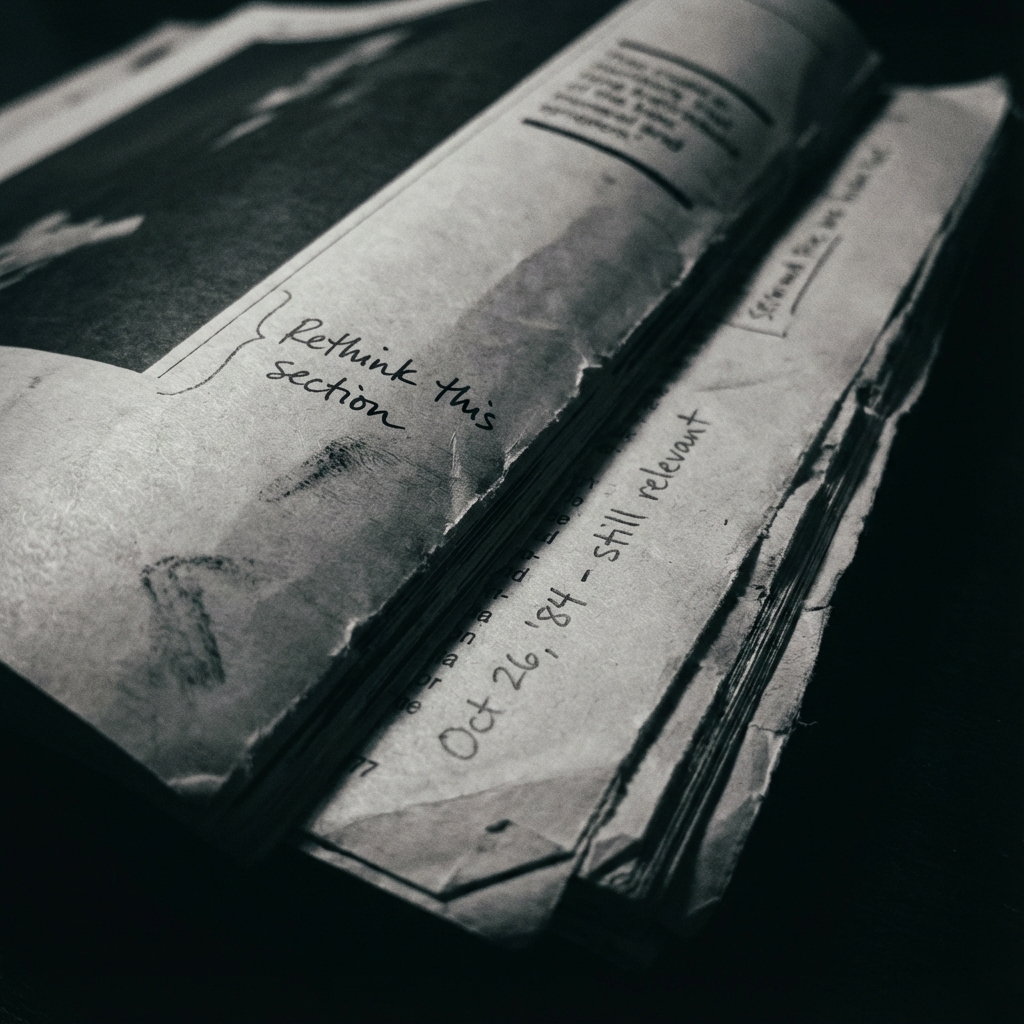
- • If you wanted to leave a mark, you picked up a pen
- • People lent copies and got them back with someone else's handwriting in the margins
None of this needed new technology. The work was choosing which articles to print.
What happened
People finished articles.
Issues came back dog-eared, underlined, with notes in the margins. Someone would lend theirs to a friend and get it back weeks later with a different handwriting added. Copies collected on shelves instead of going in the recycling.
The sign it was working: people asked if we had back issues.
What's still open
Pondr isn't finished.
Scale is the main open question. A monthly magazine run by a very small team has a ceiling, and at some point it becomes a different kind of thing.
The other question is what happens between issues. A month is the right pace for reading. It might be too slow to stay in someone's life.
Artifacts: The printed magazine, the monthly rhythm, the physical trace of use
Visit Pondr →Status: Still tending.
An artifact
In practice